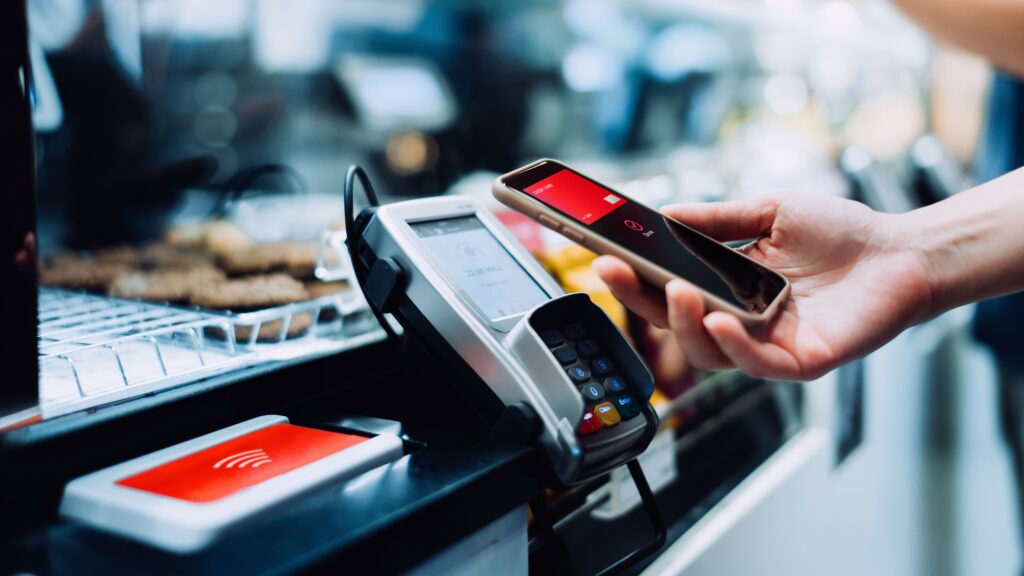
From 1 October 2026, all businesses in Australia, will no longer be permitted to apply a surcharge to Visa, Mastercard, eftpos or American Express (Amex) card payments. As this is an industry wide transition, changing payment providers will not alter this requirement.
We've spoken with many businesses since these changes were announced, and one thing is clear: there is a need for more clarity about what’s changing and what it means in practice. This guide explains the upcoming changes and provides some practical considerations for businesses as they prepare.
What is surcharging?
Surcharging is when a business adds an extra charge to a customer’s purchase because they choose to pay using a particular payment method, such as a card. For example, if a customer buys a coffee for $5 and pays $5.10 after a card surcharge is applied, the additional $0.10 is the surcharge. A surcharge is separate from the advertised price of a product or service and is different from other fees a business may apply in some circumstances.
What’s changing?
Today
Businesses can choose to apply a surcharge to some card payments to help recover payment acceptance costs.
From 1 October 2026
Businesses will no longer be permitted to apply a surcharge to Visa, Mastercard, eftpos or Amex card payments. The Reserve Bank of Australia (RBA) reforms will apply to Visa, Mastercard and eftpos payments. Amex has separately announced that it will also remove surcharging for Australian merchants from the same date. This means customers will no longer be charged with a separate surcharge when paying with these card types.
What isn't changing?
Businesses will generally continue to incur payment processing fees when customers pay via Visa, Mastercard, eftpos and Amex cards. These fees don't disappear. They key change is that these costs can no longer be added as a separate surcharge to card transactions.
What does this look like in practice?
| Today (Before 1 October 2026) | After changes (From 1 October 2026) |
|---|---|
| Businesses can apply a surcharge to card payments | Surcharges on Visa, Mastercard, eftpos and Amex card payments are no longer permitted in Australia from 1 October 2026 |
| Payment processing fees apply when accepting cards | Payment processing fees still apply when accepting cards |
| Customers may see an extra charge at checkout | No separate surcharge can be added at checkout |
| Businesses may use surcharging to offset payment costs | Businesses will need to consider how costs are managed within their overall pricing model |
| Ancillary fees such as dishonour and admin fees can be passed on to customers | There are no changes to these fees under the reform, the reform affects transaction surcharges only |
Will my settlement amount change from 1 October 2026?
If you currently recover applicable card transaction fees from customers through surcharging, the way these fees are handled will change from 1 October 2026.
For most impacted merchants, applicable transaction fees will be deducted prior to settlement. This means the amount deposited into your bank account may be lower than the gross value of the card payments processed.
Your gross transaction values and transaction reporting will continue to show the full payment amount. This may affect reconciliation, accounting or automated workflows that rely on settlement amounts matching gross transaction values.
What if I use a trust account?
Trust account regulations may restrict card transaction fees from being paid from a trust account.
If your settlement or billing account is a trust account, or you’re unsure whether Global Payments for Platforms holds the correct account details for transaction fee collection, please contact our Support team as soon as possible.
We may need to confirm or update your settlement and billing arrangements before 1 October 2026.
How do I know if I currently apply a surcharge or if my business will be affected?
If your customers currently pay an additional fee when they use a Visa, Mastercard, eftpos or Amex card, these changes are likely to affect your business. If you don’t currently apply card surcharges, the impact on your business may be smaller.
Not sure whether you are currently surcharging?
Ask yourself:
- Do customers pay an additional fee when paying by card?
- Does a surcharge appear on customer receipts?
- Does your payment terminal automatically add a fee to card transactions?
- Is your software platform configured to apply a surcharge?
If you answered yes to any of these questions, your business may be affected by the upcoming changes.
You will also be able to find information about your payment fees in your agreement with your payment service provider. If you’re a customer of Global Payments for Platforms, and you're unsure of your surcharging setup, please contact our support team.
Do the surcharge changes apply to BPAY payments made from a credit card account?
No. BPAY is a separate payment system, so the card surcharge changes taking effect from 1 October 2026 do not apply to payments processed through BPAY, even where a customer funds the BPAY payment from a credit card account.
Businesses should continue to check any applicable BPAY, financial institution or payment provider terms relating to fees for BPAY payments.
How much surcharge income does my business currently receive?
Understanding the amount your business currently receives from surcharges can help you assess the potential impact of changes and begin planning ahead. You may be able to find this information by:
- Reviewing transaction reports
- Reviewing settlement reports
- Speaking with your accountant or bookkeeper
- Contacting your payment provider
If you're unsure where to start, reach out to us and we'll point you in the right direction.
What should I do now?
There are a few things you can do now to prepare:
- Understand whether your business currently applies a surcharge.
- Understand how much surcharge revenue your business receives.
- Review whether changes to your settlement amounts may affect your reconciliation, accounting or automated software workflows.
- If your settlement or billing account is a trust account, check that Global Payments for Platforms has the correct account details for transaction fee collection.
- Stay informed about upcoming changes and watch for further guidance and resources.
- If you currently surcharge, start considering how you will manage payment processing costs from 1 October 2026.
What's next?
Understanding what's changing for your business is the first step. Over the coming weeks, we’ll continue to provide practical guidance to help businesses prepare for the changes and continue to provide practical information and guidance to help businesses prepare for the changes.
For the latest updates, FAQs and resources, visit our RBA Reform Resource Hub.